


Erbium Skin Resurfacing for Acne Scars Gallery
$$MultiPurposeText$$
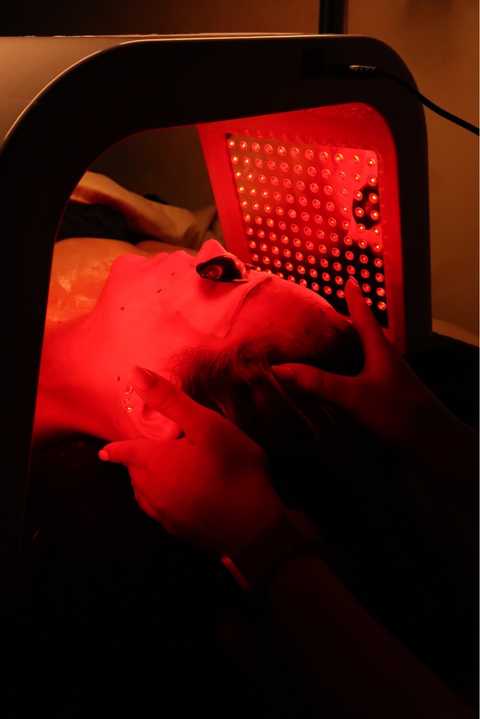
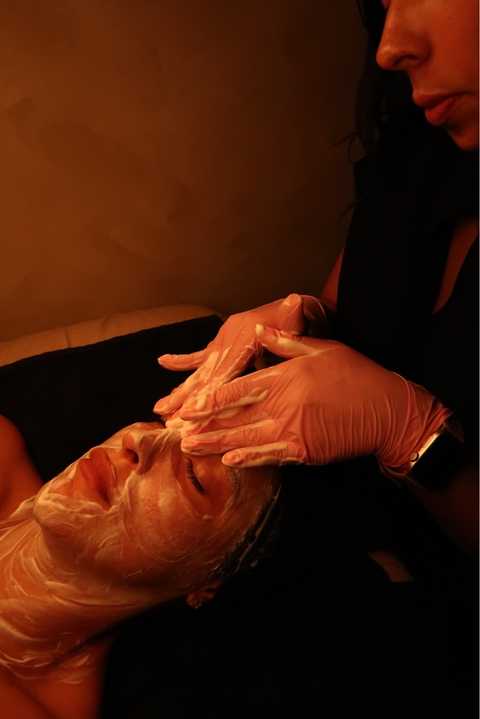
See examples of our Erbium Skin Resurfacing for Acne Scars work and results.







What Our Clients Say
$$MultiPurposeText$$
Read testimonials from our satisfied customers

If I could give more than 5 stars, I would!
From the moment you walk in, you’re treated a...more

I love the environment, the people, and the results have been amazing!!! I recommend to an...more

I had 12 sessions of the T Shape skin tightening and celllulite reduction procedure and ha...more

I had an absolutely amazing experience at NexMed Aesthetics. From the moment I walked in, ...more

Wonderful experience

Great place and the staff is extremely friendly, helpful and knowledgeable. Would definite...more

Frequently Asked Questions
Get answers to common questions about Erbium Skin Resurfacing for Acne Scars.
Most clients need three to five sessions spaced four to six weeks apart. Exact number depends on scar depth, skin type, and treatment intensity; your provider will create a personalized plan during consultation to reach optimal improvement.
Most patients experience a warming or prickling sensation. We apply topical numbing and cooling measures to minimize discomfort; stronger settings may require additional pain control. Providers monitor comfort throughout and adjust settings for tolerance.
Downtime varies with intensity: mild treatments may recover within three to five days, deeper resurfacing can take seven to ten days with residual redness for several weeks. Follow post-care instructions to support healing and reduce complication risks.
Ideal candidates have mild to moderate acne scarring, realistic expectations, and overall good health. People with darker skin tones or active acne require evaluation because pigment changes or flare-ups can occur. A consultation determines suitability and customized settings.
Many patients notice noticeable smoothing after one to two sessions, with the most significant change after three to five treatments. Collagen remodeling continues for months, so results improve progressively after completion of the treatment series.
Common short-term effects include redness, swelling, peeling, and temporary increased sensitivity. Rare risks include infection, scarring, or pigment changes—especially without proper aftercare. Pre-treatment evaluation and strict post-treatment skincare reduce risks and promote optimal, safe healing.